


Forgotten Island is the first unapologetically Filipino animated film to put folklore, language, and cultural memory at the forefront. But its disappointing box-office performance and early theatrical removal raise a bigger question: What happens to original stories when audiences don’t show up for them?

Warning: This article contains spoilers for DreamWorks Animation’s 2026 film “Forgotten Island.”
“Look at you foolish mortals, sitting there in the dark,” Jo (H.E.R.) says. “There is an entire world out there you don’t even know about … Their story has been forgotten by the mortal world.”
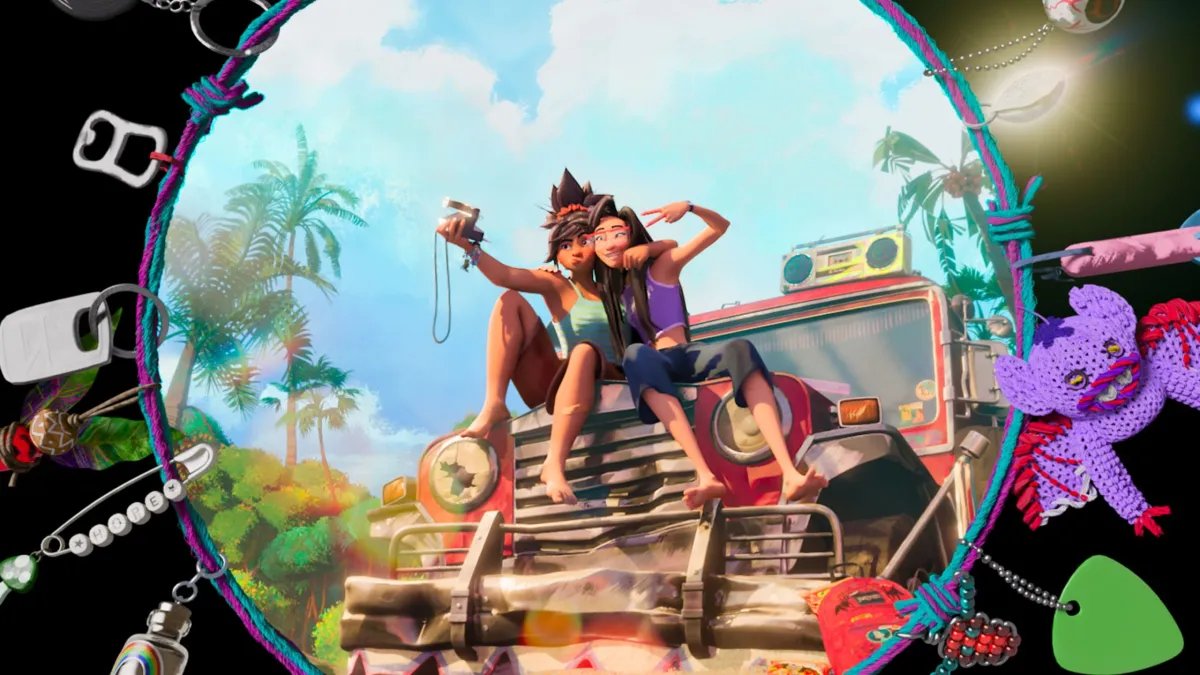
This is a fitting opening line for “Forgotten Island,” DreamWorks Animation’s latest original feature, which brings together Filipino folklore, mythology and cultural memory to the forefront of mainstream American animation. Released Sept. 25, the film follows lifelong best friends Jo (H.E.R.) and Raissa (Liza Soberano) as they stumble into Nakali, a fantastical island inhabited by the mythical creatures they grew up hearing about from their Filipino families. But as Raissa prepares to leave for the California Institute of Technology (Caltech) in Pasadena, their friendship faces a new challenge: the possibility of losing the memories that have held them together and even each other.
For Filipino audiences, the film offers something rarely afforded to the community: a world where Filipino culture is not an afterthought, but the very thread that binds the story itself.
Hollywood has made previous attempts at bringing Filipino American experiences to the big screen. Most recently, Jo Koy’s 2022 comedy “Easter Sunday” was the first of its kind to feature a predominantly Filipino cast, centered on the chaos and familiarity of Filipino family life. If “Easter Sunday” felt like an inside joke for those who recognized themselves in it, “Forgotten Island” feels like an invitation to celebrate a culture and share its stories with the world.
Meanwhile, Disney’s 2021 animated feature “Raya and the Last Dragon” drew inspiration from a range of Southeast Asian cultures to construct its fictional fantasy world. While both films marked different approaches to Southeast Asian representation, “Forgotten Island” offers something distinct: a story rooted explicitly in Filipino folklore.

Nakali, the true name of the titular forgotten island, derives its name from the Filipino word “nakalimutan,” meaning forgotten. On Nakali, Jo and Raissa encounter figures from Filipino folklore, including but not limited to the fearsome Manananggal (Lea Salonga); Rauw (Dave Franco), a were-dog; Batiba (Jenny Slate), an agoraphobic “batibat,” or memory demon; Bungi (Manny Jacinto), a large “tiyanak” baby demon; Mermahn (Kevin McCann), prince of the “kataw,” or merfolk; Datu (Jo Koy), chief of the “kapre,” or tree people; and more.
Rather than treating these creatures as unfamiliar monsters, the film slowly builds a living world around them. Filipino folklore becomes the foundation of the adventure, allowing its mythology to exist beyond the confines of campfire stories.
Beyond the mystical, the film captures everyday details of Filipino culture with incredible accuracy, from large family gatherings with karaoke and lechon, jeepney imagery, neighborhood “chismosas,” or gossipers, to Catholic guilt. Even Jo’s instinct to apologize to Jesus and the intense operatic exclamation of “Susmaryosep!,” a portmanteau of Jesus, Mary and Joseph, in the background reflect the unspoken cultural interplay between religious devotion and superstition many Filipinos have. The film also pays tribute to the love many Filipinos hold for their “lolas,” or grandmothers, through Jo’s own relationship with her Lola Fatima (Dolly de Leon). These moments ground the film’s fantastical world in specific, relatable cultural experiences.
This cultural specificity also carries a local connection. As Raissa prepares to leave for Caltech, Pasadena becomes part of the story’s emotional landscape. For Southern California audiences, the reference is especially meaningful. According to the Los Angeles County Chief Executive Office, the county was home to more than 370,000 Filipino residents as of 2023, the largest Filipino population of any U.S. county. Pasadena is not simply a place name-dropped into the film. It represents the distance that Jo and Raissa must confront as they begin separate chapters of their lives.

The film’s cultural identity is embedded in its world building, not just in its rich character appearances. Throughout the film, viewers witness the use of “baybayin,” or pre-colonial Filipino script, alongside familiar communal spaces like “palengkes,” or open markets. These mundane, everyday cultural experiences can be just as important to representation as mythological creatures.
Beneath its folklore and fantasy, “Forgotten Island” is a story about connection. The phrase “tayo na!” or “let’s go!” recurs frequently throughout the film as a motif of companionship. Jo and Raissa’s journey is shaped by the prospect of separation, but their greatest challenge is not simply finding their way home—it is holding on to the memories that make their friendship what it is.
As the two discover, returning home comes at a cost: one of them must sacrifice their memories. Batiba, the memory demon, embodies the film’s central tension between forgetting and preserving the past—the possibility of losing their memories forces Jo and Raissa to confront what it means to be connected.
“No matter how far apart we are, we will always be together if we remember,” Lola Fatima says. This sentiment can resonate with many in the Filipino diaspora, for whom maintaining cultural ties across oceans and generations often means preserving the memories, traditions and stories that connect people to their homes. In “Forgotten Island,” memories are magic.
Yet, there is an irony in a film that preserves forgotten stories while struggling to sustain its own theatrical life. Despite its positive critical and audience reception, “Forgotten Island” experienced a significant decline in box office attendance during its opening weeks. According to Box Office Mojo, the film opened with approximately $13 million domestically on Sept. 25. By the fourth weekend, its domestic weekend earnings had fallen to approximately $2.35 million.
By Oct. 26, reported worldwide earnings stood at approximately $68.1 million against an $80 million production budget. These figures suggest a difficult theatrical performance, although box office earnings alone do not establish a film’s final profitability or cultural relevance.
These numbers pose a concerning question about the commercial pressures facing original animation. In an industry where established franchises can arrive with built-in audiences, original stories often have to prove their appeal from scratch. The cultural message of “Forgotten Island” becomes more complicated when the industry and audiences appear unwilling to sustain it.
Studio Laika’s “Wildwood,” which opened Oct. 23, offers another example of the industry’s ongoing experiment with original animated storytelling. Its theatrical performance remains to be studied, but its numbers upon release highlight the risks studios face when investing in ambitious projects outside familiar franchises.
The contrast is particularly striking when audiences continue to encounter new installments of already established intellectual properties, including this year’s “Toy Story 5.” Sure, familiar characters can offer studios a measure of predictability, but does commercial viability determine whether a film is culturally meaningful?
If audiences want Hollywood to invest in original stories, they may need to show an appetite for something new. Representation requires more than celebrating a film after the fact. It requires making room for original stories while they are available to be seen.
These stakes are particularly significant for children. When a film places Filipino folklore, language and traditions at the center of a major production, it creates an opportunity for young audiences to see their heritage treated as something worthy of wonder.

Overall, “Forgotten Island” is a story that knows itself very well. It proves to audiences that a story can be culturally specific while remaining emotionally accessible to those unfamiliar with Filipino traditions.
The film arrives and departs during the time of Filipino American History Month, a time to recognize the histories, experiences and contributions of Filipino-Americans. Even if “Forgotten Island” has a shorter theatrical life than its creators and fans might have hoped, its existence alone reminds us that Filipino stories deserve to be shared and, more importantly, remembered.
The question remains whether Hollywood will continue making room for them and whether audiences will have the opportunity to show up for the next one. So, this Filipino American History Month, “Forgotten Island” asks us to remember a world that should never have been forgotten in the first place.
Related
Discover more from Local News Pasadena
Subscribe to get the latest posts sent to your email.